7 Plumbing Emergencies That Should Never Wait Until Morning
A plumbing emergency in Melbourne can escalate quickly, especially when water, gas, sewage or electricity is involved. The challenge is knowing which problems need immediate attention and which can safely wait for a standard appointment.
This guide explains seven situations that should not be left until morning, the safe steps you can take, and what a licensed plumber will usually check on arrival.
1. A burst pipe or uncontrolled water flow
A split pipe can release a large volume of water into walls, floors and cabinetry. If water is actively spreading, turn off the main water supply if it is safe and accessible. Move valuables away from the area and avoid standing water near electrical fittings.
Even after the flow stops, the damaged section needs professional assessment. A plumber can identify why the pipe failed, replace or repair it, and check for less obvious damage nearby.
2. Sewage backing up through a toilet or drain
Wastewater appearing in a toilet, shower or floor drain is an urgent hygiene issue. Stop using toilets, taps, dishwashers and washing machines because every extra litre may worsen the backup. Keep children and pets away from the affected area and arrange professional drain clearing.
3. A suspected gas leak
A strong gas odour, hissing near a gas line or unexplained illness around a gas appliance needs immediate attention. Do not use flames, electrical switches, doorbells or anything that may create a spark. Leave the property, call the gas emergency service from a safe location and use a licensed gasfitter. If anyone is unwell or there is immediate danger, call 000.
4. Water near wiring, appliances or the switchboard
Water and electricity are a dangerous combination. Do not enter standing water or touch wet electrical equipment. If the main switch can be reached without crossing the wet area, isolate power; otherwise, leave it for emergency services and qualified trades.
5. An overflowing toilet that will not stop
A toilet that keeps filling can damage flooring and create contamination. Close the isolation valve beside or behind the toilet if it is safe to do so, stop flushing and avoid other fixtures until the cause is identified. Multiple affected fixtures may point to a main sewer blockage rather than a simple toilet clog.
6. No water across the whole property
First, check whether neighbours are also affected, as the issue may be with the local supply. If it is isolated to your property, a burst pipe, failed valve or concealed leak may be responsible. Sudden loss of water combined with damp patches or the sound of running water warrants urgent investigation.
7. An active roof leak or sagging ceiling
Water entering during rain can travel well beyond the visible stain. A bulging ceiling may hold a surprising amount of water and can collapse. Keep people out of the area, place a container beneath a minor drip only if safe, and do not climb onto a wet roof.
What to tell the plumber
Clear information helps the attending plumber arrive prepared. Explain what you can see or smell, when it started, which fixtures are affected and whether you have isolated water, gas or electricity. Photos can help if they can be taken safely.
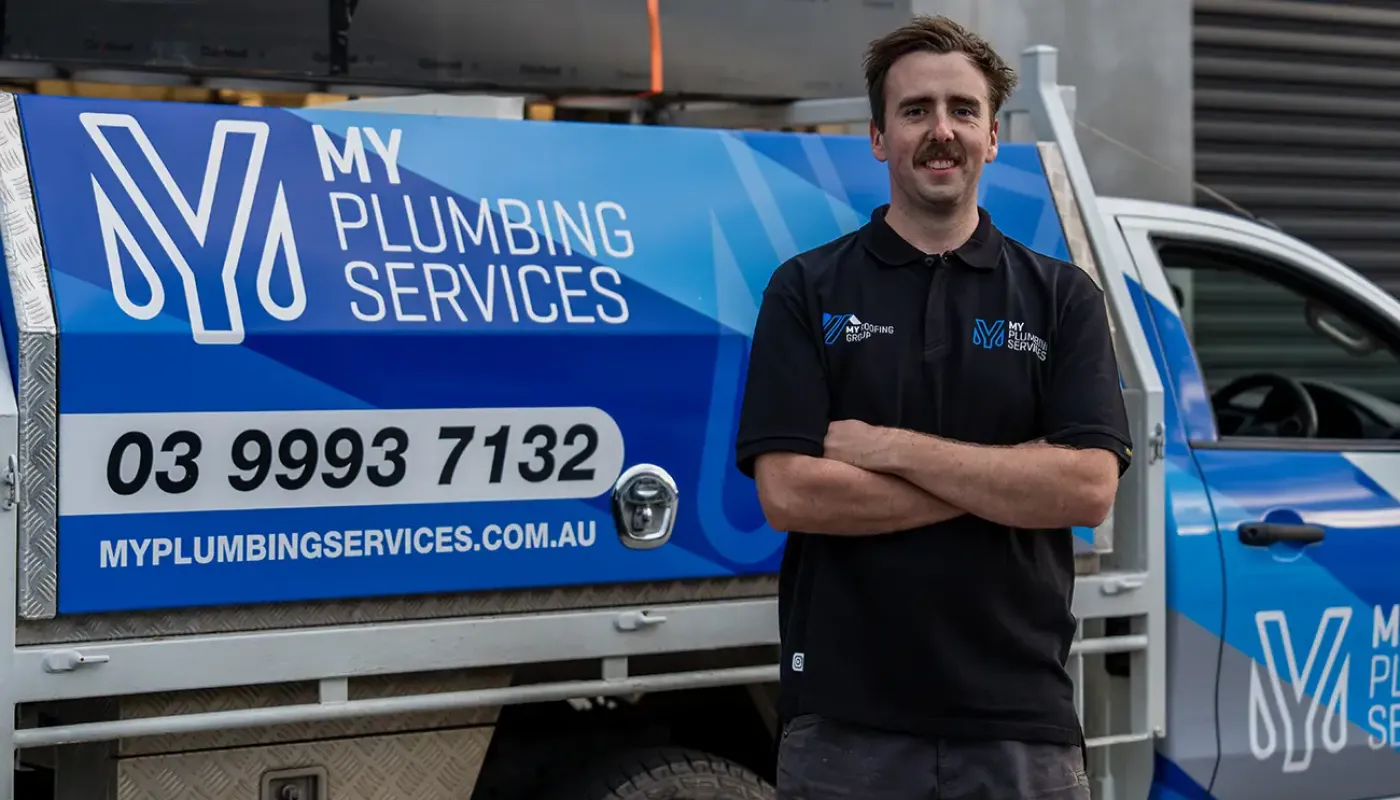
My Plumbing Services advertises round-the-clock support for residential and commercial problems across Melbourne. You can review its 24/7 emergency plumbing service in Melbourne, or view the business profile on Local Services Near Me.
Partner disclosure: this service overview was prepared from information published by My Plumbing Services. Confirm current availability, pricing, licensing and service terms directly with the provider.
 September 23, 2026



 Overall Rating
 Adelaide
  Email
Email
 Phone
Phone