How to Find a Hidden Water Leak Before It Damages Your Home
Leak detection in Melbourne can locate concealed water loss before it causes major damage. Hidden leaks may sit behind plaster, beneath floors, in a roof cavity or underground, where the first clue is often a higher bill, an odour or a change in pressure.
You do not need to open walls to start investigating. A few careful observations can help you decide whether to book a professional assessment.
Common signs of a concealed leak
- An unexplained increase in water use or the bill.
- The sound of running water when all fixtures are off.
- Damp, musty or earthy smells.
- Paint that bubbles or plaster that softens.
- Mould in an area without an obvious surface-water source.
- Warm patches on a floor, which can point to a hot-water line.
- Persistently wet soil or unusually lush growth above an underground pipe.
- Lower pressure at one or more outlets.
Any one sign may have another explanation. Several signs together, or a symptom that is getting worse, justify prompt investigation.
A simple water-meter check
- Turn off taps and stop appliances that use water.
- Make sure toilets are not filling and no irrigation is running.
- Record the meter reading or photograph it.
- Do not use water for a short period, then check the meter again.
Movement can indicate water is still flowing somewhere on the property. The test does not locate the leak, and shared meters or automatic systems may affect the result, but it gives a plumber useful evidence.
How non-invasive leak detection works
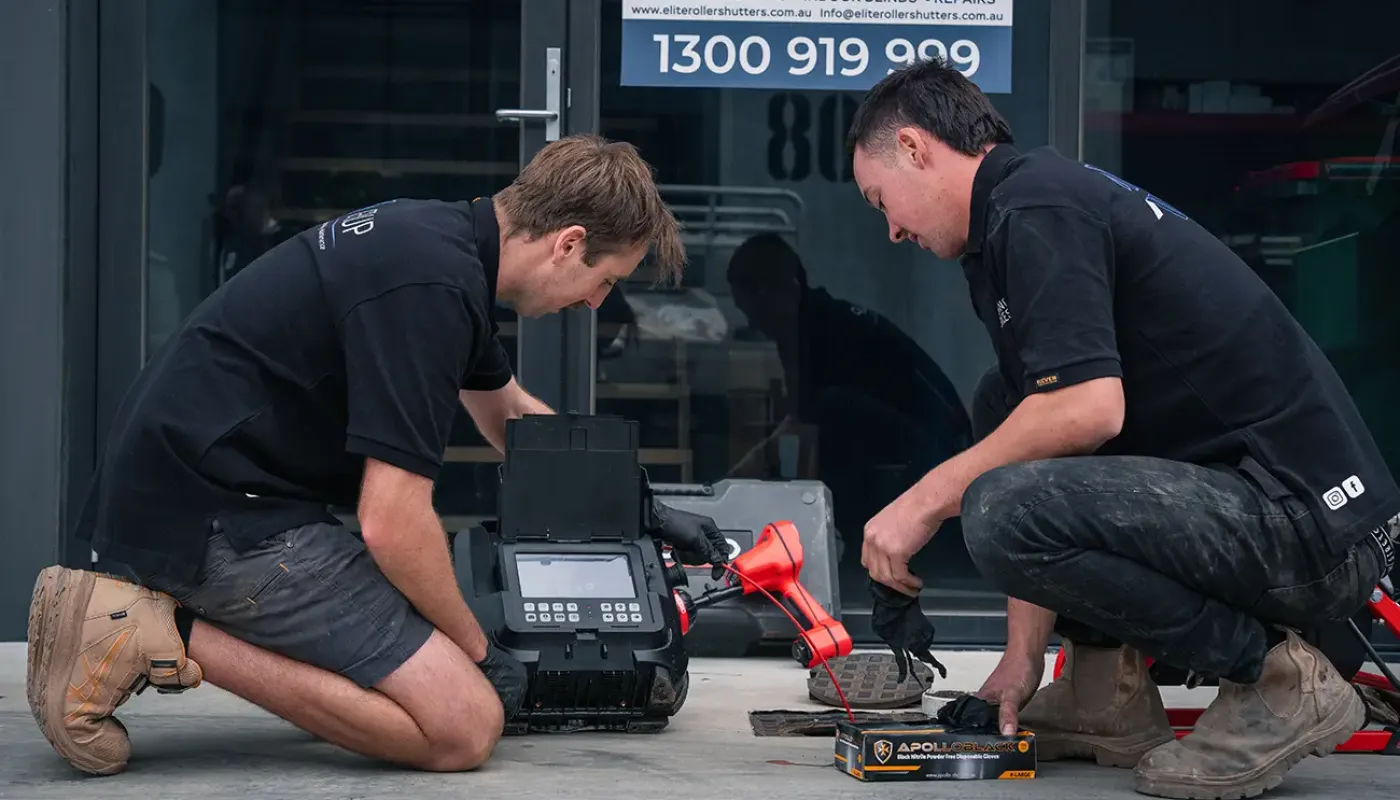
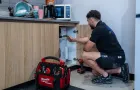
Professionals choose tools according to the suspected pipe and building construction. Thermal imaging can reveal temperature patterns associated with moisture or hot-water escape. Acoustic equipment listens for the sound of pressurised water leaving a pipe. Moisture meters compare affected materials, while pressure testing confirms whether a line is losing pressure.
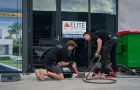
Tracer gas may be used for difficult underground or under-slab leaks. For drainage problems, a CCTV camera can inspect the inside of sewer and stormwater pipes. No single tool suits every problem, so the plumber should explain why a particular method is being used.
What not to do
- Do not cut into walls or floors based on a stain alone.
- Do not ignore water near electrical wiring or fittings.
- Do not assume roof moisture must come from a plumbing pipe.
- Do not use sealants as a substitute for diagnosing the failed component.
- Do not attempt gas-leak testing yourself.
If water is rapidly spreading, isolate the main supply if safe. If water is near electricity, keep clear and call qualified help. A suspected gas leak needs an emergency response from a safe location.
What happens after the leak is found?
A useful report identifies the likely source, detection method and recommended access point. The repair may involve a fitting, valve, appliance, short pipe section, roof component, drain repair or relining. Afterward, the system should be tested again to confirm the leak has stopped.
Ask whether the quoted price covers detection only or detection plus repair, and whether photos or a written report are included.
Arrange a targeted inspection
My Plumbing Services lists thermal imaging, acoustic detection, tracer gas, moisture meters, pressure testing and CCTV inspection among its methods. Review its leak detection service in Melbourne, or view the business listing.
Partner disclosure: this article is based on service information published by My Plumbing Services. Confirm the diagnostic method, deliverables, price and repair scope in writing.
 November 22, 2026


 Overall Rating
 Adelaide
 Email
 Phone